
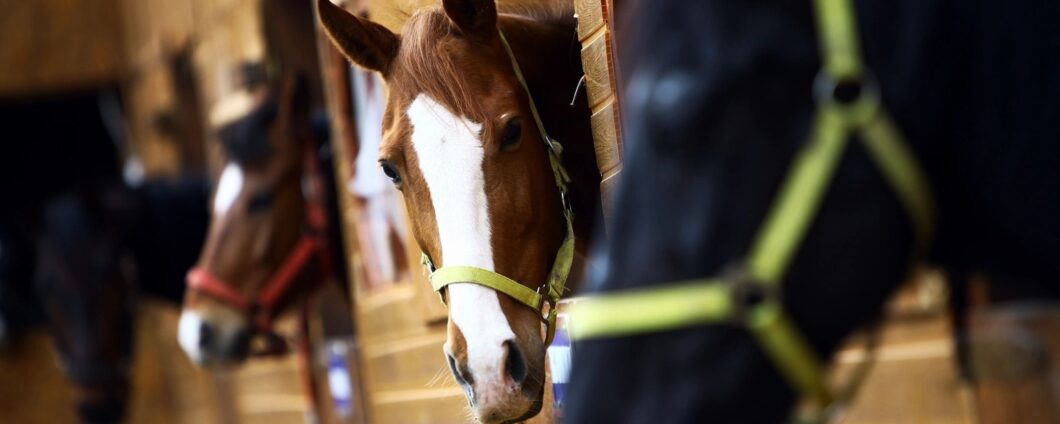
We serve at-risk youth ages 13 to 17, who often come from homes marked by poverty, instability, violence, or neglect. These young people are not statistics to us — they are image-bearers of God (Genesis 1:27), created with purpose and promise. With the Bible as our compass and gratitude as our posture, we come alongside them with structured support in faith, education, vocational training, and equine therapy, guiding them toward a future marked by resilience, perseverance, leadership, responsibility, and biblical stewardship:
- Equine & Outdoor Life Skills Iron Spur® Camp (7-10 days). Drawing from Psalm 23 and the wide-open spaces God created, our retreats provide youth a chance to disconnect from chaos and reconnect with the Creator. Through horseback riding, ranch chores and craft, team-building exercises, and cowboy ethics, they develop self-discipline, grit, and gratitude.
- Christian Cowboy Life Skills Workshops. (3-day weekends) Proverbs 4:7 reminds us, “The beginning of wisdom is this: Get wisdom, and whatever you get, get insight.” We teach what it means to love God the cowboy way, experience community, leadership and personal responsibility — essential tools to build a future that honors God and serves others.
- Mentorship Programs. Just as Paul mentored Timothy (2 Timothy 1:5-7), we pair youth with committed Christian mentors who provide emotional support, spiritual counsel, academic help, and life direction through year-round relationship and accountability.
- Faith-Based Activities. Faith is not an add-on, it is the foundation. From Bible study and worship to church visits and prayer circles, we create immersive spiritual environments where young men encounter Jesus and are invited to surrender their lives to Him.
- Community Service Projects. In John 13:14-15, Jesus washed the disciples’ feet and told them to do likewise. We teach youth to serve their neighbors with humility and compassion, participating in service projects that instill responsibility, empathy, and civic contribution.