
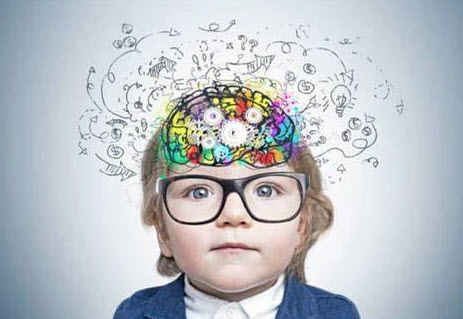
While the Bible does not explicitly mention ADHD, some passages can provide guidance and comfort for those struggling with such conditions. Romans 7:15- 25 eloquently captures the internal conflict many experience: “For I do not understand my own actions. For I do not do what I want, but I do the very thing I hate. Now, if I do what I do not want, I agree with the law, that it is good. So now it is no longer I who do it, but sin that dwells within me. For I know that nothing good dwells in me, that is, in my flesh. For I have the desire to do what is right, but not the ability to carry it out. For I do not do the good I want, but the evil I do not want is what I keep on doing.”
This passage resonates deeply with those facing the ADHD struggle, where the mind often feels at odds with itself, and impulsive actions constantly thwart intentions. Yet, gratitude can be a powerful coping and healing tool amidst this struggle. By focusing on gratitude, individuals can shift their perspective from frustration to appreciation, finding moments of peace and clarity even amid chaos.
Attention Deficit Hyperactivity Disorder (ADHD) is a neurodevelopmental disorder characterized by persistent patterns of inattention, impulsivity, and hyperactivity that can significantly impair daily functioning. While ADHD is commonly associated with children, it also affects adults, albeit often undiagnosed or misdiagnosed. Managing ADHD involves a multifaceted approach, including medication, therapy, and behavioral interventions.
“I’ve said for many years that I have ADHD, and I’m proud of it.”~Elon Musk
Emerging research suggests that incorporating a grateful mindset into treatment strategies can offer profound benefits in restoring focus and improving overall well-being for individuals with ADHD. This chapter explores the intersection between gratitude and ADHD, examining how cultivating gratitude can positively impact attention regulation, emotional resilience, and interpersonal relationships in children and adults.
Before we get to clinical, and remember I am no psychiatrist, and delve into the role of gratitude in managing ADHD, it is crucial to understand the challenges posed by this disorder. ADHD manifests differently in each individual, with symptoms ranging from difficulty sustaining attention, organizing tasks, and following through on instructions to impulsivity and excessive fidgeting or talking. These symptoms can interfere with academic performance, work productivity, and social interactions, leading to frustration, low self-esteem, and impaired quality of life.
Children with ADHD often struggle academically, experiencing challenges in concentrating on schoolwork, completing assignments, and staying organized. As a result, they may face academic underachievement and negative feedback from teachers and peers, further exacerbating feelings of inadequacy and frustration. Similarly, adults with ADHD may encounter difficulties in maintaining employment, managing finances, and sustaining relationships due to impulsivity, forgetfulness, and disorganization.
The Power of Presence: Introducing Gratitude as Therapy
Before retiring in 2011, I taught Sunday School to many beautiful 6th graders on the traditional architecture of the Greek Orthodox Church. Among these bright young minds, I encountered a remarkable young girl named Sophia. Over the years, I formed a close friendship with her family, particularly her Yaya. Her mother, a young widow, navigating the complexities of raising a child with unique challenges, relied heavily on Yaya Mary. Sophia’s diagnosis of ADHD stood as a towering obstacle in a world that often seems to expect conformity above all else.
Sophia had always been a whirlwind of energy and ideas as a child. Her Yaya and mother loved her for it, but she also knew the challenges it brought. Sophia was diagnosed with ADHD (Attention Deficit Hyperactivity Disorder) when she was seven. The constant motion and the never-ending stream of thoughts made it difficult for Sophia to focus in school and often led to disruptions at home. For Sophia, her ADHD meant homework assignments left unfinished, impulsive reactions during conversations and an overwhelming sensation of being misunderstood by peers and teachers alike.
Early on, her mother, determined to help her daughter, sought various therapies and interventions. During one of the sessions, Sophia’s therapist introduced the concept of incorporating gratitude into daily life as a therapeutic exercise. The therapist explained that appreciation isn’t just about saying thank you but a transformative practice that could help Sophia slow down, reflect, and control her impulsive thoughts and actions.
The therapist emphasized that gratitude could act as a grounding mechanism, anchoring Sophia in moments of mindfulness. This approach resonated deeply with Sophia’s mother, who was already familiar with gratitude from her spiritual practices. Together, they embarked on a journey to weave gratitude into the fabric of their daily lives. They started with small steps: keeping a gratitude journal, expressing thanks before meals, and reflecting on positive moments at the end of each day.
This practice of gratitude began to show promising results. As young as she was, the brilliant Sophia found that she could better manage her emotions and reactions by focusing on what she was thankful for—the moments of stillness and reflection allowed her to develop a greater sense of self-awareness, which helped her navigate the challenges of ADHD. It wasn’t an overnight transformation, but with persistence and support, Sophia started to see improvements in her ability to concentrate and engage more calmly with her environment.
As we have seen, gratitude as a therapeutic tool extends beyond ADHD. In various studies, gratitude has been shown to impact mental health and well-being profoundly. It can reduce symptoms of depression and anxiety, improve sleep quality, and enhance overall life satisfaction. For individuals with ADHD, who often struggle with emotional regulation and impulsivity, gratitude offers a valuable tool for fostering a more balanced and mindful approach to life.
Developing a grateful mindset and incorporating gratitude into daily routines can benefit children like Sophia. It provides them with a structured way to recognize and appreciate the positive aspects of their lives, which can be grounding and stabilizing. This practice can also strengthen the parent-child relationship as they share moments of gratitude and reflection.
In the context of our Sunday School lessons, the architecture of the (Greek) Orthodox Church also offered a unique opportunity to explore themes of gratitude and reflection. The church’s intricate designs and sacred spaces are imbued with reverence and thankfulness by teaching the children about these elements. At the time, without knowing it, I was instilling in them an appreciation for the beauty and significance of their spiritual heritage.
The traditional architecture of the Greek Orthodox Church, with its domes, iconography, and symbolism, is a physical manifestation of the principles of faith and gratitude. The grandeur of the domes, reaching towards the heavens, symbolizes the aspirations of the human spirit to connect with the divine. The icons, rich with imagery and meaning, remind the faithful of the saints and martyrs who exemplified lives of gratitude and devotion. Each element of the church’s architecture tells a story of faith, perseverance, and thankfulness.
As I taught these lessons to the 6th graders, I often reflected on how the principles of gratitude could be woven into their own lives. Just as the church’s architecture is a testament to centuries of faith and devotion, our daily gratitude practices can build a strong foundation for personal growth and well-being. By nurturing a sense of thankfulness, we can cultivate a resilient spirit capable of weathering life’s challenges.
In the years following my retirement, I have seen some former students, including Sophia, grow into remarkable individuals. Their journeys are a testament to the power of gratitude and the enduring lessons learned within the walls of our Sunday School. Sophia, in particular, has embraced gratitude as a cornerstone of her life. Her mother’s unwavering support and the therapeutic exercises they practiced together have helped her navigate the complexities of ADHD with grace and resilience.
Sophia’s story powerfully reminds us that gratitude is not just a fleeting emotion but a deliberate practice that can transform lives. This lesson extends beyond the individual, influencing families, communities, and society. In a world that often values speed and efficiency over mindfulness and reflection, gratitude offers a counterbalance, encouraging us to slow down, appreciate the present moment, and acknowledge the blessings surrounding us.
As we delve deeper into the themes of this book, it is essential to recognize the profound impact that gratitude can have on mental health and overall well-being. The abbreviated strategies discussed here, and later in detail in the last chapter of this book, are not just for those with ADHD but for anyone seeking to cultivate a more mindful and fulfilling life. By incorporating gratitude into our daily routines, we can create a ripple effect of positivity and resilience, enriching our lives and the lives of those around us.
The Gratitude Journal
The first strategy was to start a gratitude journal. Each night, Sophia would write down three things for which she was grateful. Initially skeptical, Sophia found the task pointless. However, as days turned into weeks, she began noticing things she usually overlooked—a teacher’s patient smile, her mother’s comforting hug, a friend’s spontaneous joke that made her laugh.
This simple act began to alter Sophia’s perspective. She started looking for positive moments throughout her day to include in her journal, which slowly improved her attention to detail and her ability to focus on tasks.
Mindful Gratitude Exercises
Next, Sophia began practicing mindful gratitude exercises. These exercises involved sitting quietly for a few minutes each day, focusing on her breath, and then consciously bringing to mind things she felt grateful for. This practice calmed her mind and increased her awareness of her body and emotions, reducing her usual restlessness.
Letters of Thanks
Writing gratitude letters was another approach. Sophia wrote her first letter to Yaya, thanking her for their summer vacation and expressing her feelings and the joy it brought to her grandmother. This deepened Britteny’s appreciation for her relationships, enhancing her emotional and social skills.
Establishing Gratitude Rituals
Sophia and her mother started incorporating gratitude rituals into their daily routines. Every dinner, they would take turns sharing something about their day for which they were grateful. This ritual brought them closer and allowed them to connect on a deeper level, sharing their daily experiences and emotions in a positive, structured way.
Daily Gratitude Reminders
Gratitude reminders were placed around the house—notes stuck on the fridge, a poster in the hallway, and a small stone with the word ‘Thanks’ in Sophia’s pocket. These small cues helped her remember to pause and find a moment of gratitude, which increasingly helped her manage her impulsivity.
I spoke to Sophia recently. Now, as a mother herself, she was calmer and more focused.
As she reflected on her journey with me, she realized that gratitude had given her a powerful tool to manage her ADHD. It helped her slow down her mind, appreciate the small victories, and build stronger, more empathetic connections with others. Her mother felt profound relief and hope when she witnessed her daughter’s transformation. Gratitude had not only helped Britteny manage her ADHD but had also enriched their family life in ways she had never anticipated.
Now a staunch advocate for developing a grateful mindset, she shares her story with others, hoping to inspire children and adults alike to embrace gratitude as part of their lives. Through speaking engagements and social media, Sophia continues to spread the word on how a simple ‘thank you’ can weave threads of calm and appreciation through the fabric of one’s life, transforming challenges into opportunities for growth and connection.
In Sophia’s words, “Gratitude didn’t change my ADHD, but it changed how I live with it and how I view the world around me. And that has made all the difference.”
The New Role of Gratitude in ADHD Management
Gratitude, the appreciation of what is valuable and meaningful in one’s life, has garnered increasing attention in positive psychology for its profound effects on mental health and well-being. Research suggests that cultivating gratitude can enhance resilience, foster positive emotions, and improve overall life satisfaction. Moreover, gratitude practices have been associated with reduced symptoms of depression, anxiety, and stress, indicating its potential therapeutic value for individuals with ADHD.
In ADHD management, adopting a grateful mindset can offer several benefits that complement traditional treatment approaches. By shifting focus from deficits to strengths, gratitude encourages individuals to recognize and appreciate their accomplishments, no matter how small, thereby enhancing self-esteem and self-efficacy. For children with ADHD, this can be particularly empowering, as it instills a sense of competence and agency in managing their symptoms.
Furthermore, gratitude promotes mindfulness and present-moment awareness, which are essential for individuals with ADHD who often struggle with distractibility and impulsivity. By grounding attention in the here and now, gratitude practices, such as keeping a gratitude journal or engaging in mindful gratitude exercises, can help individuals with ADHD regulate attention and resist impulsive behaviors.
Moreover, gratitude fosters positive social connections and prosocial behavior, crucial for individuals with ADHD in building supportive relationships and navigating social challenges. By expressing gratitude towards others and acknowledging their contributions, individuals with ADHD can strengthen interpersonal bonds and cultivate a sense of belonging within their communities.
In addition to its effects on individual well-being, gratitude may also influence neurobiological processes implicated in ADHD. Preliminary research suggests that gratitude interventions can modulate neural activity in regions associated with reward processing and emotional regulation, such as the prefrontal cortex and ventral striatum. By enhancing neural plasticity and promoting adaptive changes in brain function, gratitude may contribute to alleviating ADHD symptoms and associated impairments.
